

Como 2026 se desarrolla, El mercado mundial de hardware de PC se enfrenta a un aumento de precios sin precedentes.. De módulos de memoria a tarjetas gráficas, core components have seen staggering price hikes, with some DDR5 memory models soaring over 460% in six months . This phenomenon is not accidental but a result of intertwined factors spanning demand, supply, market structure, and industrial chains.
1. Demand-Side Revolution: AI-Driven Structural Explosion
The primary catalyst lies in the explosive demand for artificial intelligence (AI) infrastructure. A single AI server requires 8-10 times more DRAM than conventional servers, with OpenAI consuming 900,000 wafers monthly—accounting for 53% of global DRAM 产能 . Tech giants like Google and Microsoft have paid 50-60% premiums to lock in long-term supplies, directly squeezing consumer market allocations .
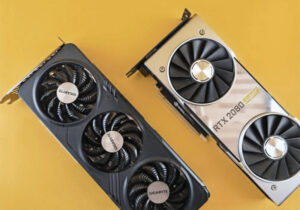
Simultaneously, consumer electronics are undergoing a memory upgrade cycle. Basic configurations for PCs and smartphones have shifted from 8GB+128GB to 16GB+256GB, further intensifying demand pressure . For GPUs, the convergence of AI training needs (e.g., RTX 5090, H100) and gaming enthusiasm has created a “dual-demand explosion,” pushing high-end models to double or triple in price .
2. Supply-Side Bottlenecks: Capacity Contraction and Structural Bias
The supply chain faces a two-fold crisis: deliberate capacity control and profit-driven structural adjustments. Three giants—Samsung, SK Hynix, and Micron—dominate over 90% of the global DRAM market . Over the past two years, they have maintained “de-stocking and capacity control” strategies, resulting in only 5% new capacity in 2026 . SK Hynix’s entire DRAM 产能 for the year has already been sold out .
Pursuing higher margins, manufacturers have diverted advanced production to high-bandwidth memory (HBM) and server-grade DDR5. HBM, with ten times the price of ordinary DDR5, now occupies over 40% of major producers’ capacity . Samsung and Micron even plan to discontinue DDR4 production in 2026, crippling consumer-grade supply . Compounding the issue, domestic Chinese manufacturers remain stuck in technology bottlenecks, unable to fill the gap in high-end segments .
Raw material costs have also skyrocketed. Prices of 12-inch silicon wafers have risen 90%, while electronic specialty gases like tungsten hexafluoride and precious metals such as silver have jumped 70-90% and 50% respectively . For GPUs, low yields of advanced 3nm chips and tight TSMC capacity have further restricted supply .
3. Market Structure: Oligopoly and Speculative Amplification
The monopolistic market structure has exacerbated price volatility. Samsung’s lead in doubling NAND flash prices and raising DRAM by 70% triggered a collective price hike by competitors, forming an industry “price alliance” . A historic price inversion has emerged: spot DDR4 prices now command a 172% premium over contract prices, with DDR5 at 76% .
Speculative behavior has amplified the crisis. Distributors, fearing shortages, have engaged in panic hoarding, creating a vicious cycle of “price hikes → hoarding → further hikes” . In Huaqiangbei and Shanghai’s digital markets, hot-selling memory modules often circulate only among dealers, with negligible end-user transactions .
4. Industrial Chain Ripple Effects: From Profits at the Top to Pressure Below
The price surge has created a polarized impact across the supply chain. Upstream manufacturers have reaped windfalls: Nanya Technology’s December 2025 revenue surged 445%, while South Korea’s DRAM exports rose 72% . In contrast, midstream module makers and PC manufacturers face “supply shortages and cost pressure.” Lenovo, Dell, and HP have raised consumer PC prices by 10-20%, with some laptop models costing 2,000-3,000 yuan more .
Smartphone brands have also been hit hard. Memory now accounts for over 20% of mid-range phone costs—nearing 30% for budget models. Xiaomi’s 17 Ultra saw a 500-yuan price hike, while Meizu canceled its 22Air launch entirely .
5. Future Outlook and Strategic Responses
Industry forecasts suggest the upward cycle will persist into 2027. Goldman Sachs warns that general DRAM contract prices could rise 55-60% in Q1 2026, with server memory exceeding 60% . New factories by Samsung and SK Hynix will not come online until 2027, making 2026 the tightest supply year .
For consumers, differentiated strategies are critical:
- Non-essential buyers: Delay purchases until Q3-Q4 2026 when prices may stabilize, potentially saving 30-50% .
- Gamers/designers: Opt for last-generation flagships (e.g., RTX 40-series, 13th-gen Core) to cut costs by 40-60% .
- Enterprises: Lock in long-term supply contracts and explore software-hardware optimization to reduce memory dependency .
Conclusion
The 2026 PC component crisis reflects the collision between the AI revolution and supply chain rigidity. It exposes the fragility of a monopolized global storage market while highlighting the strategic significance of independent supply chains—underscored by the growing importance of Chinese manufacturers like ChangXin Memory and Yangtze Memory . For stakeholders, navigating this era requires balancing immediate cost controls with long-term resilience building.


Añadir comentario